
Just a few weeks ago, we officially opened CUREON, our new MedTech and BioTech innovation hub, and published an overview of the innovation cluster at High Tech Campus Eindhoven. That first article introduced the 70+ organizations fundamentally shaping healthcare innovation at HTCE.
Now we dive deeper, showcasing the innovations that make this ecosystem so important and so powerful. We’ll introduce you to companies developing robotic precision systems, intelligent diagnostics, continuous monitoring wearables and AI-driven software, technologies that will define the future of healthcare.
These companies are achieving medical "firsts": Sirius Medical with surgical systems guided by GPS-like precision, AIKON Health with wearables that predict heart failure before symptoms appear and AI that reads what human eyes cannot.
These breakthroughs aren't happening in isolation. They're emerging from across HTCE, where innovators leverage a vibrant ecosystem of collaboration and specialized infrastructure.
We call it homebase for breakthrough innovation.
Download the entire overview of the more than 70 MedTech & BioTech-focused companies at HTCE.
Medtech Robots and Precision Systems
Campus companies such as Preceyes, a Zeiss Company, and Sirius Medical represent a new frontier in healthcare, where microscopic accuracy can mean the difference between success and failure in life-saving procedures. This tech allows surgeons to operate with unprecedented precision, while sophisticated drive systems and navigation tools bring GPS-like accuracy to the operating room.
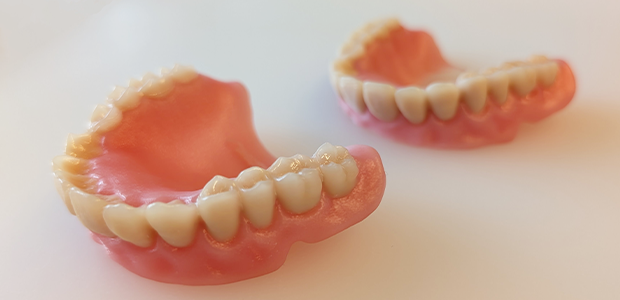
Photo credit: Novenda Technologies
Novenda Technologies developed a 3D printing platform based on multi-material jetting, an advanced additive manufacturing technology that combines materials to print high-resolution 3D printed products, including high quality dental products, primarily night guards and dentures. Its inkjet printing process places each micro drop with exceptional precision, allowing different materials or colors to be deposited exactly where needed.
Novenda’s printers can handle up to four materials and eight print heads, making it ideal for high-volume production and applications requiring up to three different materials.
In 2021, the company installed its first printer at HTCE, achieving the first multi-material print using proprietary software and materials. This marked a crucial milestone in transforming dental product manufacturing through advanced multi-material 3D printing technology.
In July 2025, Novenda Technologies secured $6.1 million in Series A funding led by Brightlands Venture Partners, with participation from Borski Fund and other investors, to accelerate the development and commercialization of its advanced dental 3D printing platform.

Photo credit: maartensteinbuch.com
Preceyes, a Zeiss Company is a medical robotics firm founded by ophthalmic surgeon Prof. Marc de Smet and co-founded by Maarten Steinbuch as a spin-off from TU/e. Recognizing the increasing complexity of retinal surgery, they developed the PRECEYES Surgical System, the first market-cleared robot for retina surgery. The system enables surgeons to operate with unprecedented precision, performing “twenty times as good as the best ophthalmic surgeon,” according to Steinbuch.
In 2016, Preceyes performed the world’s first robotic eye operation at Oxford’s John Radcliffe Hospital, restoring a patient’s sight by removing a membrane only one-hundredth of a millimeter thick, a milestone covered by the BBC.
In 2022, Preceyes B.V. was acquired by Carl Zeiss Meditec AG and is now part of the ZEISS group.
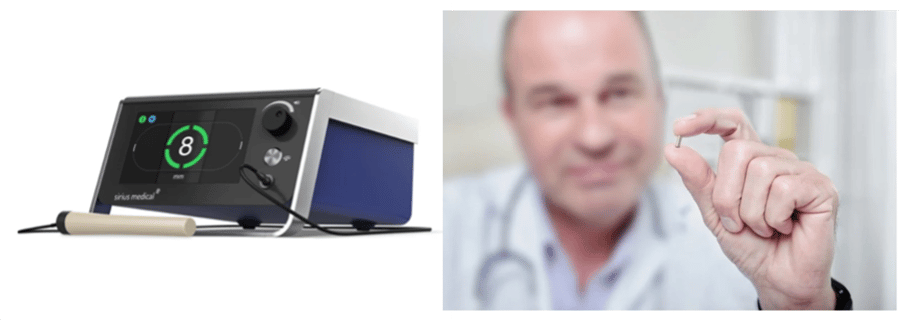
Photo credit: Sirius Medical
Sirius Medical is a medical device company that develops surgical navigation technology for cancer treatment. Its flagship product, Sirius Pintuition, uses GPS-like technology to help surgeons precisely locate and remove small tumors while preserving healthy tissue through minimally invasive procedures.
Sirius Medical has achieved significant commercial success with more than 250 centers using its technology and more than 35,000 procedures performed globally. Pintuition is both CE marked and was approved by the FDA in 2023, positioning it for continued international expansion in the oncological surgical navigation market.
A spin-off of the Netherlands Cancer Institute and the University of Twente, Sirius Medical has raised significant funding to support its growth and product development. It initially raised €4.4 million in Series A funding in 2020, followed by a €12 million Series B round in March 2023 and an additional €10 million in scale-up funding in February 2025, bringing the total investment to more than €26 million. The team received a Gerard & Anton Award in 2024.

Photo credit: SonicPrecision
SonicPrecision is an early stage MedTech startup with its technology roots in Philips. Founded in 2024, SonicPrecision is active in the field of interventional cardiology and focuses on improving treatment of cardiac arrhythmias using a novel ablation catheter design. Using embedded ultrasound sensors in the tip of the ablation catheter, SonicPrecision provides imaging and sensing capabilities during the intervention, allowing the electrophysiologist to adapt the procedure to patient-specific characteristics.
With this closed-loop approach, the venture is creating a new standard in the treatment of rhythm disorders in the heart by offering better options for the individual patient.
Wearables & Vital Sign Monitoring
Companies such as Bambi Medical are developing technologies that shift passive treatment into proactive, continuous care management. Wearable devices use advanced sensors, smart textiles and AI to track health parameters in real-time. They empower patients with greater autonomy while providing healthcare providers greater insight into patient health.
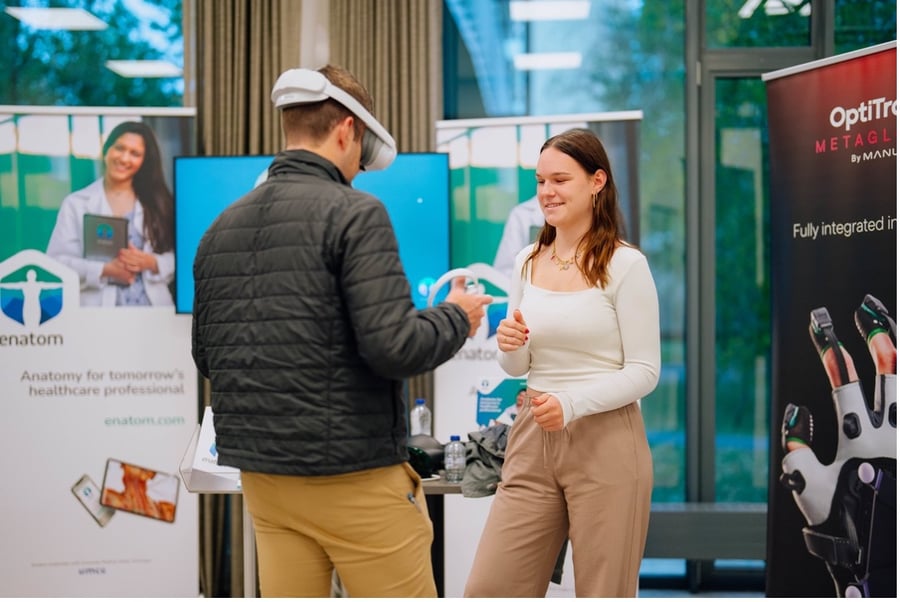
Photo credit: 3EALITY
3EALITY: 3EALITY, one of the innovation hubs at HTCE, fosters an ecosystem that drives the development and application of 3D Internet technologies, including spatial computing, virtual and augmented reality, digital twins, blockchain (web3) and IoT. The hub facilitates a community of companies and individuals, offering workspace for small to medium companies, organizing and hosting events and matching supply with demand.
The initiative addresses the three-dimensional evolution of the Internet, where virtual worlds are integrated as a layer to our physical world. 3EALITY invites partners and residents to join the hub, welcoming involvement and collaboration around infrastructure needs and developments in immersive technologies. ARION (Atogear) is located at 3EALITY.
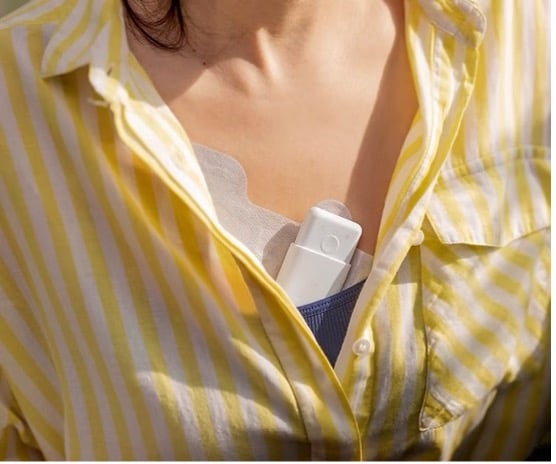
Photo credit: AIKON Health
AIKON Health, a spinoff of Holst Centre, developed a wearable medical device for personalized remote heart failure monitoring and management. Based on the health patch technology developed by TNO at Holst Centre, also located at HTCE, the wearable sensor continuously monitors key parameters relevant to heart failure care, including hemodynamic function and fluid status. AIKON Health announced a €1.2 million seed round of funding in June 2025.
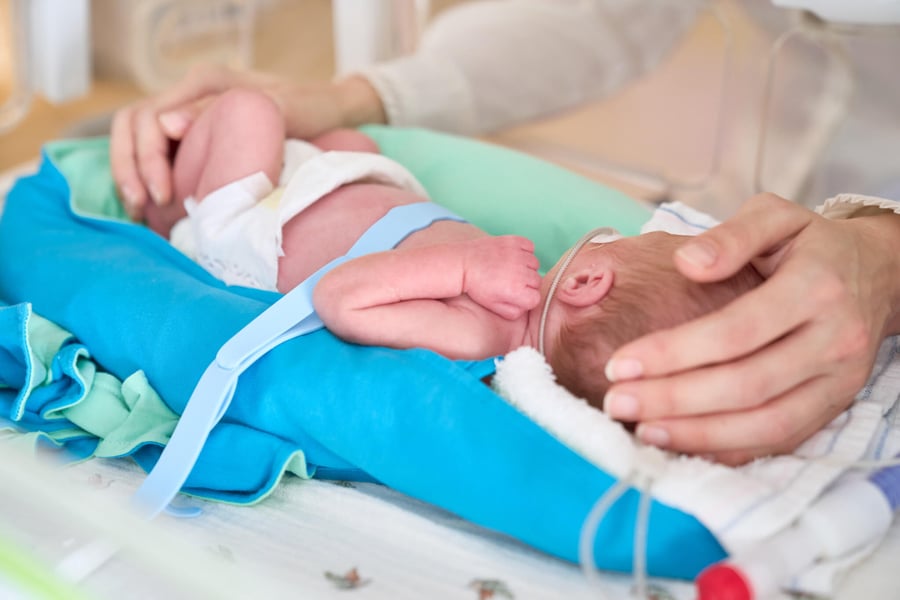
Photo credit: Bambi Medical
Bambi Medical is also a HighTechXL hardware accelerator alumnus. The scale-up developed a breakthrough medical device for premature babies. The Bambi Belt is a wireless silicone strap that replaces traditional adhesive electrodes for babies in Neonatal Intensive Care Units (NICUs) and uses advanced sensor technology to accurately measure vital signs. It wirelessly transmits data to hospital monitoring systems.
The device is a godsend to parents, doctors and nurses. It protects the vulnerable skin of premature babies and allows parents to practice critical “kangaroo care,” or skin-to-skin physical interaction with their child.
In February 2024, Maxima Medical Center in Veldhoven became the first hospital in the world to use the Bambi Belt on its patients. The pilot included the monitoring of 50 babies using the Bambi Belt for 10 days. Read the Bambi Medical Alumni Success Story here.
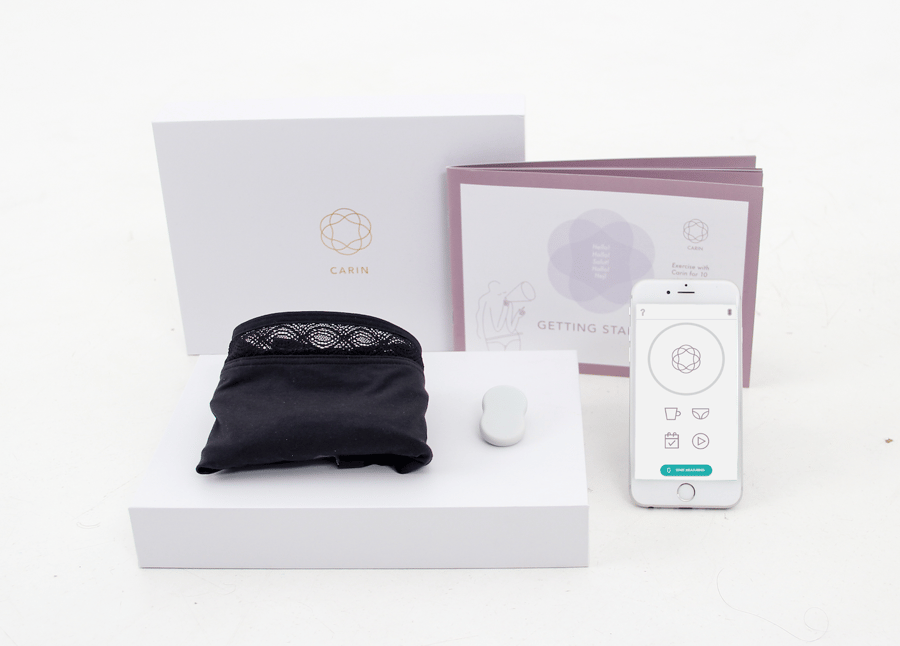
Photo credit: LifeSense Group
LifeSense Group is a MedTech scale-up and spin-off of Holst Centre as well as an early alumnus of HighTechXL’s hardware accelerator program in 2015. LifeSense Group designs and manufactures digital health continence solutions using smart textiles, wearable sensors and mobile applications.
Products on the market include smart underwear and sensors to monitor urine loss for men, women and children experiencing bedwetting. LifeSense also ventured has a feminine hygiene product, Eve, a line of washable, absorbent menstrual underwear (without the tech component) focusing on fast-drying smart fabrics. LifeSense Group received the Gerard & Anton Award in 2016, the CES Innovation Award in 2022.
LifeSense is fully certified by major medical regulatory groups including CE and the FDA and is reimbursed by health insurers in The Netherlands, Australia, Taiwan and Sweden. It’s headquartered at HTCE but also has a presence in Tokyo, Japan to tap into Asian markets.

Photo credit: Maaind
Maaind is a neuroadaptive AI company and part of the LUMO Labs portfolio that uses state-of-the-art AI to detect users' mood and stress from their voice and heart rate. Using the data, Maaind’s technology adapts product interfaces in real-time to create engaging and personalized well-being experiences.
Maaind, dubbed a “Mood-as-a-Service” company, integrates personalized well-being experiences across areas where users spend the most time: at home, at work and on the move. It combines and connects third-party smart systems and wearables, with applications ranging from automotive integration that detects driver mood and stress levels to adapt car interiors for enhanced wellbeing, engagement, comfort, safety and entertainment to various consumer-facing partnerships across the UK, Germany, and the Netherlands.
Maaind lists Porsche as a partner on its website. Maaind’s technology allowed Porsche drivers to release stress and increase mindfulness. Maaind was listed on Sifted’s 2024 Top 75 startups in the Nordics and Benelux.

Photo credit: Molex
Molex is a global electronics leader and connectivity innovator that relocated to HTCE in 2024, occupying the first floor of Lucis One (building HTC 91).
Molex brings more than six decades of expertise in complex medical cable assemblies for leading MedTech companies. Its solutions power critical applications, including electrophysiology devices, robotic surgery systems and wearable medical patches.
Molex provides medical interconnects, microelectronics and ISO 13485 quality management that support medical device innovation at Campus. This valuable expertise enables other MedTech and BioTech companies on Campus develop advanced, connected medical devices.
Imaging & diagnostics
From hyperspectral imaging that reveals cellular processes to rapid resistance testing that guides antibiotic prescriptions, advances in imaging and diagnostics are making diagnosis faster while improving accuracy of insights. Companies such as Usono and ShanX MedTech are making these technologies faster, more portable and increasingly intelligent.
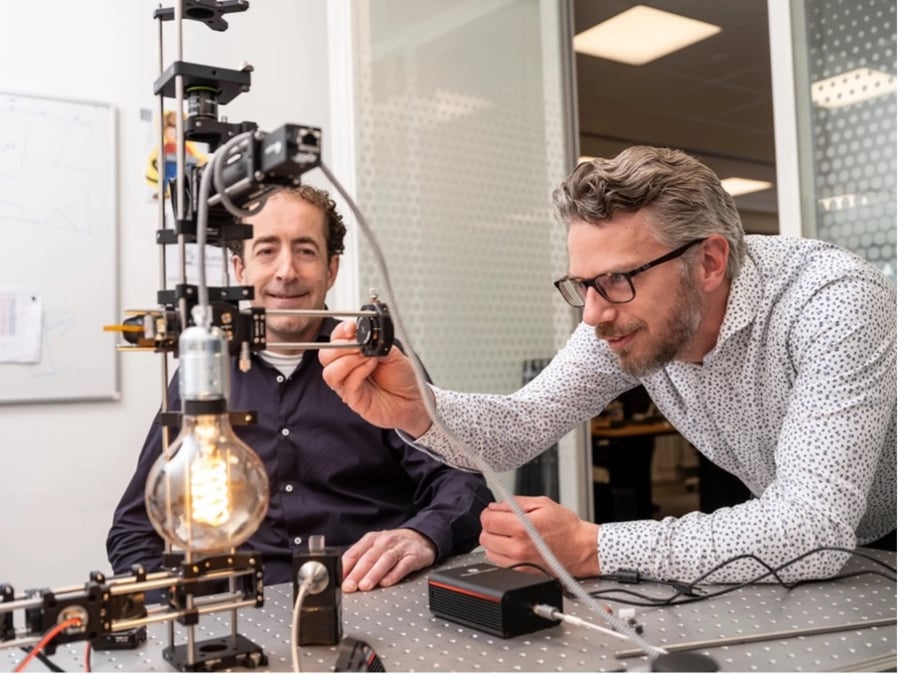
Photo credit: IO+
Chromodynamics develops high-speed, real-time multispectral and hyperspectral imaging systems for life science research. The technology enables fast processes in live cell imaging and 3D volume imaging, allowing deeper biomarker analytics and accelerated discovery in biomedical research. Chromodynamics also facilitates pharmaceutical inspection and quality control in drug manufacturing. The team won a Gerard & Anton Award in 2019 and announced a €2M funding round in 2024.

Illustration by Mozand
Mozand is a diagnostic laboratory specializing in pharmacogenetic testing. Founded in 2020 by Dr. Adri van der Zanden, the lab analyzes an individual’s genetic makeup and predicts how he/she will respond to various medications. This helps minimize adverse drug reactions and ensures the right medication at the right dose for each person.
Mozand integrates genetic insights into clinical decision-making to improve patient care and treatment outcomes. Other diagnostics services include respiratory pathogen testing, microbiome analyses and skin-related diagnostics. And while it may be considered a small lab operation, it has already conducted more than 250,000 analyses.
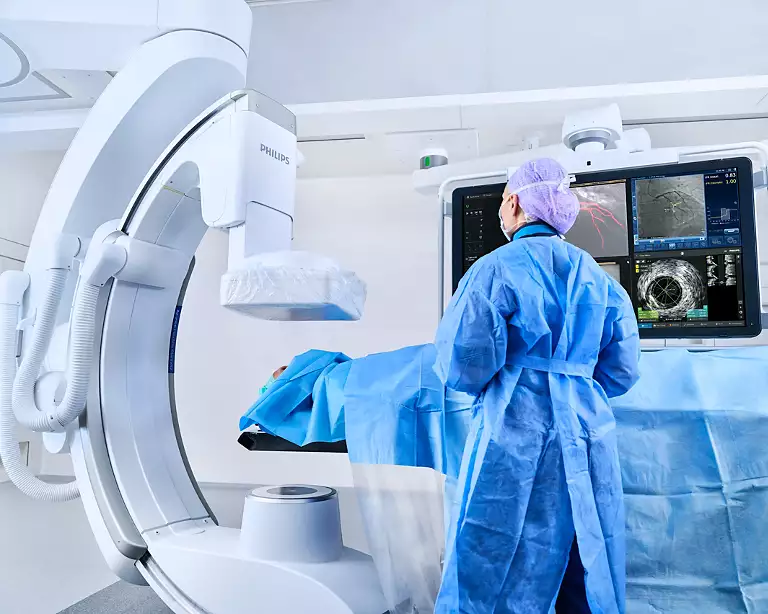
Photo credit: Philips
Philips: The legendary Philips NatLab research center once employed more than 2,000 people, including 600 university researchers. In 1999, Philips transformed its closed facility into High Tech Campus Eindhoven, embracing open innovation by welcoming external companies and partners to open office space here. This marked a pivotal shift in how the company approached research and development. That was 26 years ago.
Today, Philips Research at HTCE serves as the company's healthcare innovation headquarters, focusing on advanced medical technologies, including diagnostic imaging, AI-powered ultrasound, minimally invasive procedures, patient monitoring and consumer health solutions.
Approximately 50% of R&D efforts concentrate on software and data science, with Philips collaborating closely with global clinical partners to co-create solutions based on real healthcare needs. According to this Philips press release, Philips filed 594 MedTech patent applications with the European Patent Office in 2024.
Many Philips divisions spanning the healthcare spectrum are located at HTCE, from Business Precision Diagnosis and Enterprise Informatics to Sleep & Respiratory Care, Image Guided Therapy and Personal Health, supporting Philips’ mission to improve health outcomes from prevention to home care.
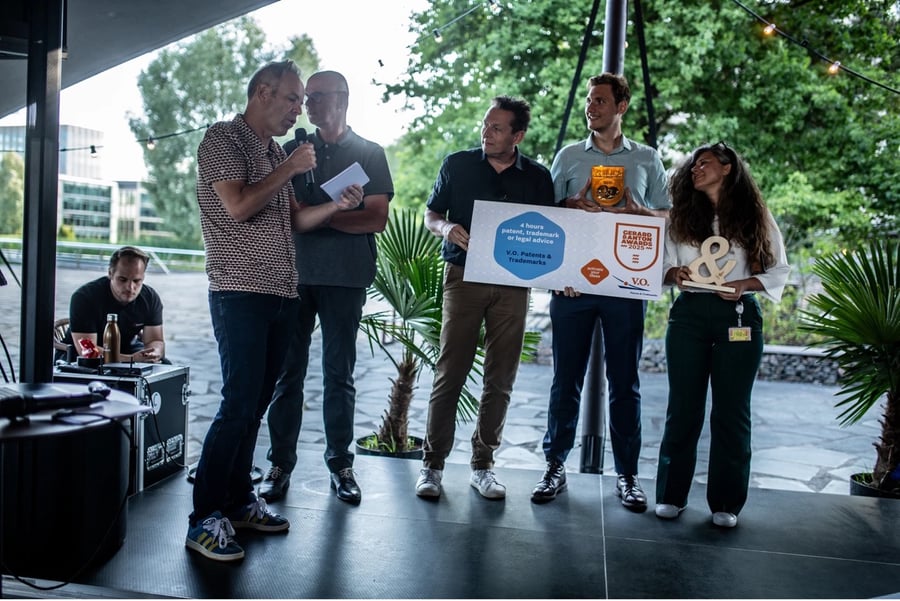
Photo credit: IO+
ShanX MedTech, a TU/e spin-off founded by Sophia Shanko, is developing in-vitro diagnostics for clinical microbiology testing that address the global threat of antimicrobial resistance. Its flagship device, KAIROS, delivers Antibiotic Susceptibility Testing results within an hour, empowering doctors to prescribe optimal antibiotics quickly and limit unnecessary antibiotic use across hospitals and outpatient clinics. ShanX received the Gerard & Anton Award in July 2025.
ShanX has raised approximately €7.6 million, a notable achievement in a sector where investors are cautious due to long development cycles. It has secured its first pre-order for hundreds of systems and presented promising clinical data at ESCMID, Europe's leading microbiology conference, demonstrating the technology's potential to make evidence-based bacterial infection management faster, more accurate and widely accessible in a €6B market.

Photo credit: Teledyne DALSA
Teledyne DALSA serves a wide variety of medical applications in diagnosis, treatment and research. With products and technology that cover the spectrum from X-ray to longwave infrared, Teledyne DALSA enables better, faster, more convenient imaging for medical and life sciences practitioners and better comfort for patients. Medical applications include dental radiology, mammography, temperature screening, analytical radiology, ophthalmology and orthopedic and surgical radiology.

Photo credit Usono
Usono was founded in 2016 after completing the HighTechXL accelerator program. The MedTech scale-up designs devices that free ultrasound medical testing from current limitations, making it possible to conduct ultrasound on the musculoskeletal system in motion. Its devices fix ultrasound transducers on the body, making ultrasound technology more accessible and wearable for medical applications.
Usono focuses on providing medical specialists with better understanding of body function through advanced imaging technology. Usono’s team combines expertise in product development, biomedical engineering and entrepreneurship to make ultrasound examinations easier and more accessible for operators.
Usono has announced strategic partnerships, including an international agreement with Clarius for wireless and wearable ultrasound imaging solutions. Usono won the Gerard & Anton Award in 2018.
AI & Software
Artificial and software advancements are changing how healthcare data is captured, analyzed and applied. By extracting insights from complex datasets and automating analysis, these technologies facilitate earlier disease detection, personalized treatment and streamlined workflows outcomes, allowing clinicians to focus on patient care.
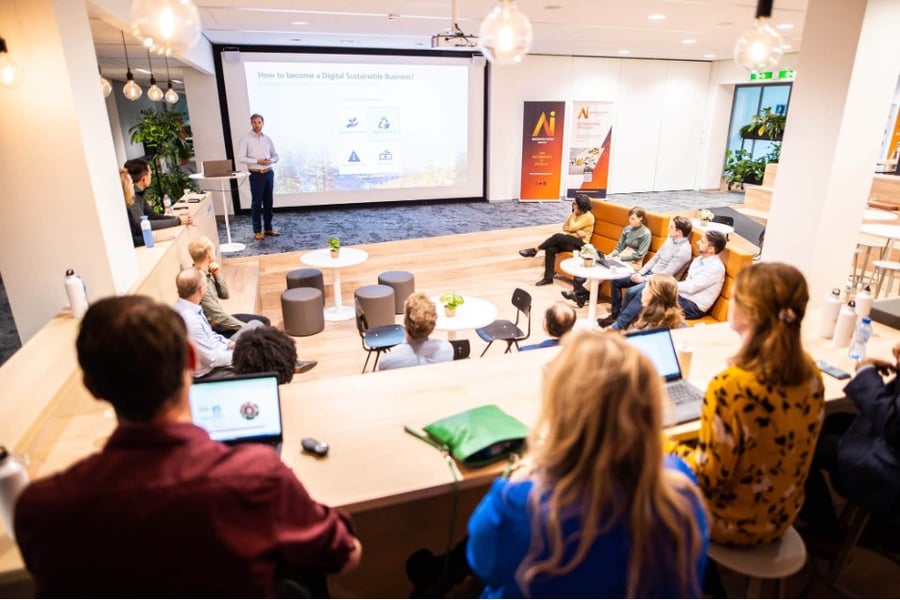
Photo credit: AI Innovation Center
AI Innovation Center: The AI Innovation Center, which opened in 2021, is an open innovation facility founded by High Tech Campus Eindhoven, Philips, Signify, ASML and NXP. Its mission is to industrialize Artificial Intelligence technologies in the Brainport region.
The center contributes to the growth of the regional AI ecosystem by organizing AI events for business and technical audiences, providing workshops and training at all skill levels and matchmaking experts across the entire AI supply chain. It connects AI companies and service providers with venture capitalists, governmental partners, research institutes and customers, while also serving as a catalyst for AI companies with workspace and networking opportunities. The AI Innovation Center plays a vital role in accelerating AI adoption and supporting innovation projects throughout the Brainport region.
MedTech and BioTech companies located at the AI Innovation Center include AIKON Health, , ITEA and Walden Digital.

Photo credit: Bloomlife
Bloomlife is a multinational company headquartered in San Francisco with offices in Liege, Belgium and HTCE. Bloomlife developed a remote pregnancy monitoring platform that combines connected devices, data analytics and virtual provider networks to shift care from high cost clinical settings to the home for high quality, low cost, patient-centered care. Healthcare providers can more easily screen maternal and fetal risk to identify patients requiring the greatest clinical support.

Illustration credit: innoSIGN
InnoSIGN, a Philips spin-out, uses a biology-first approach to precision medicine, analyzing signaling pathway interactions and identifying disease drivers. Its mRNA-based tests measure pathway activity in cancer and immune cells to predict patient response to targeted drugs. The proprietary platform quantifies 10+ essential disease-driving pathways using structured ML algorithms developed over a decade at Philips, accelerating drug discovery and improving treatment selection. InnoSIGN won a Gerard & Anton Award in 2022 and announced an $8M Series A round of funding to finance the spin-out and U.S. market launch.
Walden Digital develops specialized IT solutions for the European pharmaceutical supply chain. Its MedTech solutions focus on securing and optimizing pharmaceutical distribution through digital tools that trace product flows and measure performance. These connected platforms bring enhanced control, reactivity and connectivity to medicine handling, supporting Walden Group subsidiaries such as Movianto and Eurotranspharma in maintaining the highest standards required for healthcare product distribution across Europe.
Zenya is a healthcare software company developing quality and risk management software since 1998. It serves as a partner for healthcare organizations, ensuring information flows safely and smoothly so processes connect and a high quality of care is guaranteed.
The software provides healthcare organizations with the required compliance framework through contexts and directives that connects other information and generates reports, crucial for clinical laboratories where many tests are performed and quality management is essential.
Zenya's software suite includes three main products: Zenya CHECK for real-time operational checks and surveys enabling proactive decision-making; Zenya RISK for risk management tools to identify, assess and mitigate potential threats; and Zenya BOOST, a platform for continuous learning and process optimization.
LUMO Labs is a venture capital fund that invests in startups using emerging and disruptive technologies (AI, Data, Blockchain, IoT, AR/VR, and Digital Security) to solve social and environmental challenges within four UN Sustainable Development Goals. In addition to investment, LUMO Labs portfolio companies participate in a bespoke program with support from seasoned entrepreneurs, founders and investors.
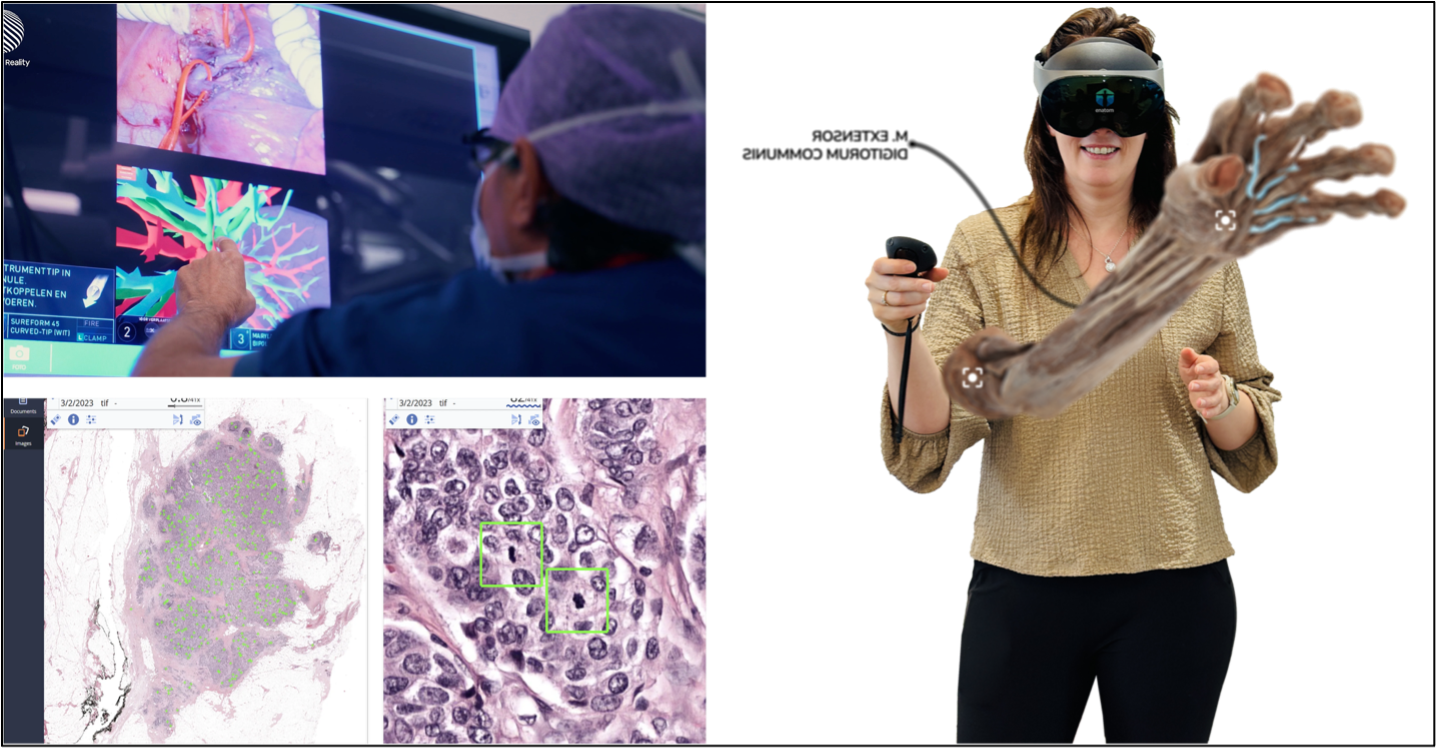
LUMO Labs portfolio companies are part of the broader MedTech ecosystem at HTCE, all focusing on AI & Software applications. For the past few years, LUMO Labs has invested heavily in digital health startups. Of the 30 LUMO Labs portfolio companies, 11 are MedTech startups.
Aiosyn delivers AI-powered precision pathology solutions to enhance diagnosis and accelerate research in breast cancer and chronic kidney disease.
Autoscriber developed voice recognition software that captures and summarizes consultations between healthcare professionals and patients. It uses speech recognition and natural language processing to automatically extract structured medical data from conversations.
Cordys Analytics developed a diagnostic software platform that provides clinicians with seamless access to AI diagnostics for electrocardiograms (ECGs).
Enatom developed a “smart dissection” room that bridges the gap between traditional and modern learning. Anatomy students use the platform to study real cadavers in 3D on their phones, tablets, laptops and in VR/AR.
Fimo Health developed a CE-marked mobile application and digital platform for patients with chronic diseases. It combines symptom tracking, disease-specific education and data analysis to improve quality of life.
Healthplus.ai developed a clinical-decision-support that re-uses existing data with an AI engine for early identification of patients with either high, medium or low risk of infection.
Hema.to has developed a cloud-based, AI-powered software that analyzes flow cytometry data for the precise, early diagnosis of blood cancers and immune diseases, supporting personalized treatment plans for hematology labs and clinicians.
Nuclivision develops AI software that reduces radiation exposure and scan time for PET imaging used to detect cancer and Alzheimer's without compromising diagnostic accuracy.
Protyon developed predictive software that creates 3D digital models based on the genetic code of cancer mutations to predict the effectiveness of different targeted therapies for individual patients.
Surgical Reality uses AI and computer vision to automatically transform 2D CT scans into detailed, labeled 3D anatomical visualizations within minutes, enabling personalized surgical planning and improved intraoperative decision-making.
Sycai Medical developed AI-powered software that assists radiologists in detecting and characterizing pre-cancerous abdominal lesions on CT scans and MRIs, enabling early diagnosis of pancreatic cancer.
Stay tuned for the next deep dive editions on the MedTech & BioTech cluster at HTCE.
Within the next edition we will focus on companies in:
- Implants & therapeutic devices
- Smart biomaterials
- Sports, vitality & health
- As well as RTOs
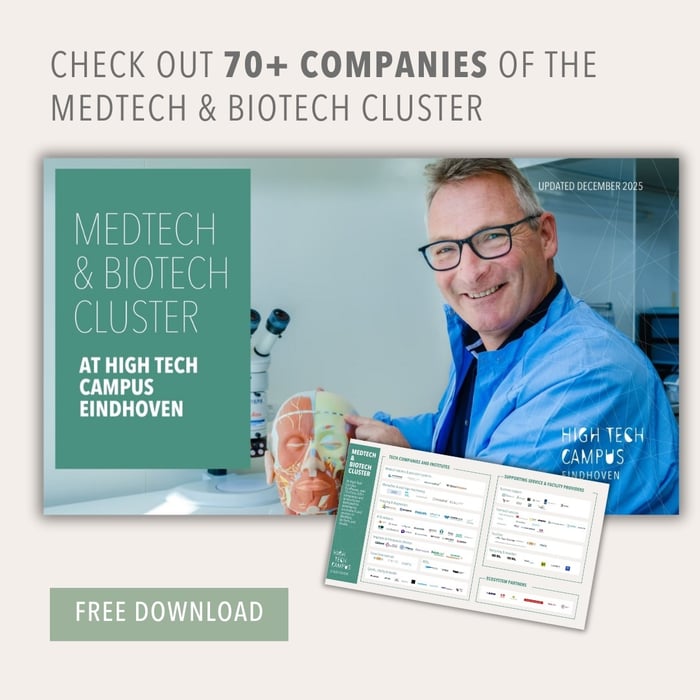
Download the entire overview of 70+ MedTech & BioTech companies at HTCE.