
The Brainport region is a leading hub for MedTech and BioTech innovation, from precision systems to AI-driven diagnostics and smart biomaterials. Building on foundations laid by Philips and Thermo Fisher Scientific, the region hosts more than 350 MedTech companies, produces 90% of Dutch MedTech patents and accounts for nearly half of the country’s life sciences output.
High Tech Campus Eindhoven sits at the heart of this ecosystem and hosts a thriving MedTech and BioTech cluster that grew from Philips and now includes more than 70 organizations.
At HTCE, we leverage the triple helix collaboration – partnering government, educational institutions and business – and open innovation to tackle the toughest challenges in medical care. The Campus is homebase for the MedTech and BioTech companies thriving here, tackling challenging problems head-on and staying abreast of trends in MedTech. In fact, some have achieved “medical firsts” already and are poised to make massive impact on how we diagnose, treat and prevent disease.
But what are some of these MedTech “trends?” Think: personalized medicine, less invasive diagnostics and data-driven care.
With emerging technologies such as robotic surgery, wearable patient monitoring or AI-assisted diagnostics, new solutions require a setting in which they can be developed, tested and scaled safely. Along with MedTech, BioTech has become a cornerstone of future healthcare. The Brainport region offers a uniquely powerful environment for developing smart biomaterials for regenerative medicine. Biomaterials can support the body’s own healing processes and reduce long-term complications, from resorbable implants to responsive wound dressings.
This coordinated approach and environment also tackles emerging challenges such as staff shortages, rising costs and stricter regulations by enabling data-driven solutions that boost productivity and improve the quality of care – and ultimately the quality of life – across the health system. This shared goal is at the heart of every MedTech and BioTech company and service provider in our ecosystem.
What’s the “tech” in MedTech and BioTech innovations you will find at the campus? Here are just a few examples:
AI & Data Analytics: Diagnostic imaging analysis, patient monitoring systems, predictive health analytics
Software Development: Electronic health records integration, cloud-based patient data platforms, algorithm development for medical devices
Semiconductors & MEMS: Implantable sensors, microfluidic diagnostic devices, wearable health monitors
Robotics: Precision surgery assistance, minimally invasive procedures
Biomaterials: Regenerative scaffolds, biocompatible implants, smart materials for targeted drug delivery
Integrated Photonics: Advanced imaging systems, laser-based surgical tools, spectral imaging for diagnostics
Virtual Reality: Surgical training simulations, patient rehabilitation applications
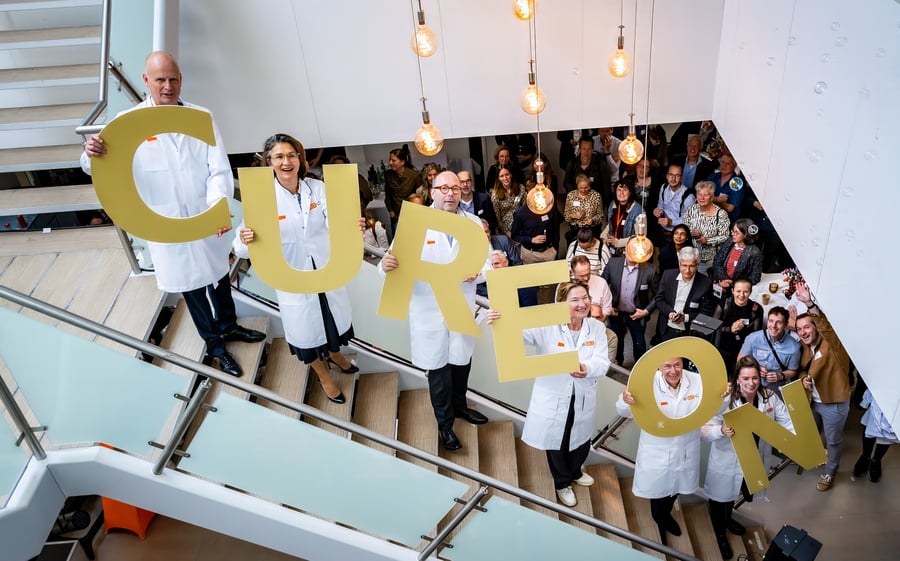
Cure + on = CUREON: the innovation hub for MedTech and BioTech at HTCE
HTCE continues to evolve as a crucial hub for MedTech and BioTech community. The latest development is CUREON, designed to anchor innovation in medical technology and biomaterials. The name “CUREON” reflects both energy and progress: “CURE” for healing, and “ON” for turning innovation, collaboration and the future of healthcare ON.
Located at building HTC 11, CUREON offers shared workspaces, offices, laboratories and GMP-compliant cleanrooms for pilot production at clinical standards. Combined with expert guidance and strong partner links, these facilities provide a flexible environment where startups, scale-ups multinationals seeking collaboration within the network and service providers in the health domain can develop, test and refine technologies and therapies. These are all embedded within Brainport’s rich regional ecosystem of universities, hospitals, research institutes and industry partners.
Source: High Tech Campus Eindhoven
The strong bonds and stronger partnerships of the Brainport region
Brainport Development provided support for the new CUREON MedTech & BioTech Innovation Center at HTCE, which was developed together with SBMC, Brabant Development Agency (BOM) and HTCE.
Brainport Development serves as the core orchestrator of the Brainport Eindhoven region innovation ecosystem, stimulating research in ground-breaking, economically high-potential technologies and building dedicated clusters, with MedTech/BioTech being a focus. Brainport Development collaborates closely with many partners, sharing knowledge and smart entrepreneurship, and works together with the business community, knowledge institutions and governments to strengthen the regional economy. In addition, they promote Brainport Development in the Netherlands and abroad to help attract companies, talent and investment to the region.
Brabant Development Agency (BOM) also plays a crucial role in the MedTech and BioTech ecosystem at HTCE. It actively invests in life sciences and MedTech startups and scale-ups in the Brabant region.
Smart healthcare innovations are key to keeping healthcare vital, effective and affordable. But a good idea alone isn’t enough. BOM supports entrepreneurs in bringing innovations to market and patients faster. Its approach includes developing, investing and internationalizing MedTech and BioTech companies. BOM shares knowledge, develops networks and provides capital to innovative Brabant companies, making them a key financial and strategic partner for the MedTech ecosystem at HTCE. With more than €1 billion in assets under management, BOM is renowned as the most active investor in Dutch startups.
The Province of North Brabant, BOM and Brainport Development are building a robust MedTech ecosystem that fosters innovation and tech-to-market collaborations in three key areas:
- MedTech x AI
- MedTech x Patches
- MedTech x Robotics
This approach supports the MedTech community's growth, raises its profile and encourages international collaboration.
Eindhoven University of Technology (TU/e), another crucial partner to the HTCE MedTech ecosystem, is a leading knowledge institution that fosters innovation, provides highly skilled talent with advanced medical and technical degrees and drives research and development through its direct participation in key initiatives such as the Eindhoven MedTech Innovation Center (e/MTIC). e/MTIC is a large-scale research collaboration that fast-tracks sustainable clinical innovations, connecting researchers, clinicians and industry.
Beyond e/MTIC, TU/e actively engages in co-creation with companies, knowledge institutes and startups on HTCE. In fact, TU/e has generated more than 100 technology companies, including notable MedTech and BioTech spinoffs. Several of these spinoffs are now located at HTCE, including ShanX MedTech, STENTiT and, coming to Campus in 2026, VIVOLTA. TU/e’s expertise in technology and its commitment to open innovation enable collaborations with hospitals, companies and startups, accelerating the creation, implementation and scaling of high-tech health solutions.
The Smart BioMaterials Consortium (SBMC) connects this academic excellence with industrial applications. It operates a state-of-the-art development lab on the TU/e campus and a pilot production facility within HTC11, offering:
- 400 m² of GMP-compliant cleanroom and laboratory space for developing and pilot producing resorbable implants
- Technical and regulatory support to bring academic and early-stage innovations closer to clinical use
- Collaboration opportunities across disciplines, including materials science, biomedical engineering and clinical validation.
Technical spaces and infrastructure available at HTCE
Also, beyond the SBMC cleanroom and lab space at building HTC 11, HTCE provides MedTech and BioTech companies with the technical space and infrastructure they need to scale rapidly.
The Campus is home to ISO-compliant, plug-and-play cleanrooms (ISO5, ISO6, and ISO7) that offer utility integration. These facilities feature comprehensive support systems, from advanced air treatment and multi-level compressed air networks to specialized gases such as nitrogen, argon, hydrogen and demineralized water. HTCE residents can conduct cutting-edge research and manufacturing in environments that meet the most stringent quality standards. These facilities offer flexible scalability options, which are key for HTCE’s tenants. Rapid construction capabilities and ample buildable space (more than 100,000 m² available) provide an agile framework for companies looking to scale quickly.
The High Tech Campus offers a broad environmental permit and centralized delivery of high-quality industrial supplies. Its on-site chemical center gives companies immediate access to necessary substances without regulatory hurdles.
HTCE’s infrastructure evolves in response to industry needs. For example, specialized laboratories, including electrotechnical and chemical labs, offer dedicated spaces for R&D and small-scale production, further accelerating the time-to-market for innovative products.
Introducing segments within the MedTech and BioTech cluster
So, what makes this MedTech and BioTech cluster so unique? The HTCE ecosystem and infrastructure, which is home to key service providers that support the development, testing, certification and upscaling of medical technologies.
From cleanrooms and calibration to IP consulting and regulatory support, these organizations enable MedTech and BioTech startups, scale-ups and corporates looking to collaborate in this environment to accelerate time-to-market. The services span from prototyping, component engineering, open innovation labs and materials testing to advice on ISO 13485 guidelines from companies with knowledge of IT, quality and regulatory aspects.
Now, let’s take a closer look at the MedTech and BioTech cluster at HTCE. With more than 70 companies, we created categories (and a few subcategories) to show where each organization is dominant in the ecosystem. Several companies fell into more than one category. We chose a single segment that best represents their place in the ecosystem to make it easier to read.
This article is an introduction to a series of content about the impressive MedTech and BioTech ecosystem at HTCE. We’ll have additional articles to dive deeper into the tech cluster and the companies at Campus who are playing a crucial role in the future of healthcare.
Source: Preceyes, a Zeiss company
TECH COMPANIES & INSTITIUTES
Medical robotics & precision systems
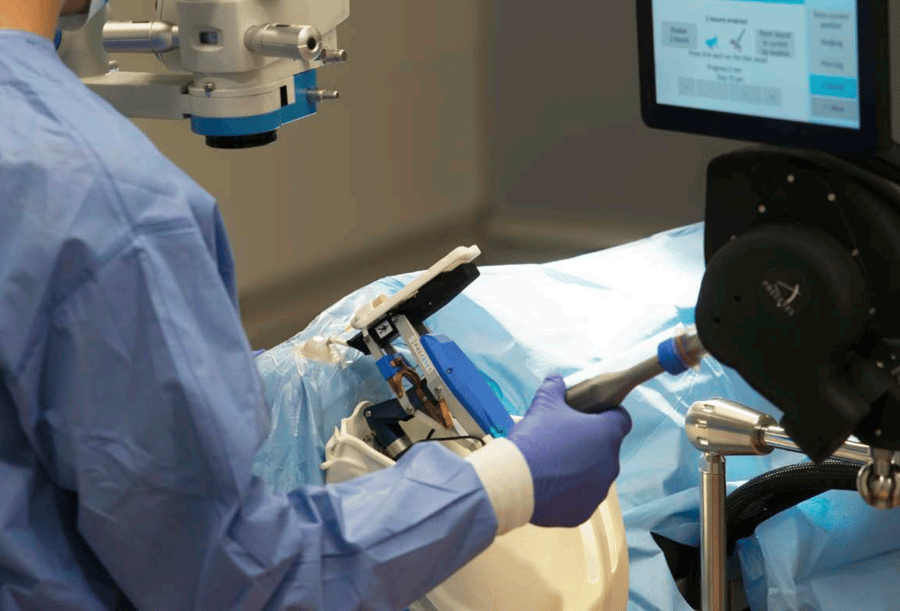
Medical robotics and precision systems represent a transformative frontier in healthcare, where microscopic accuracy can mean the difference between success and failure in life-saving procedures.
These advanced technologies allow surgeons to perform operations with unprecedented precision, often surpassing human capabilities by orders of magnitude, while sophisticated drive systems and navigation tools bring GPS-like accuracy to the operating room.
From retinal surgery requiring sub-millimeter movements to tumor removal demanding exact localization, these innovations are expanding the boundaries of what’s medically possible while improving patient outcomes using minimally invasive techniques.
Companies in this segment include Novenda Technologies, Preceyes, a Zeiss Company, Sirius Medical and SonicPrecision.
Source: AIKON Health
Wearables & vital sign monitoring
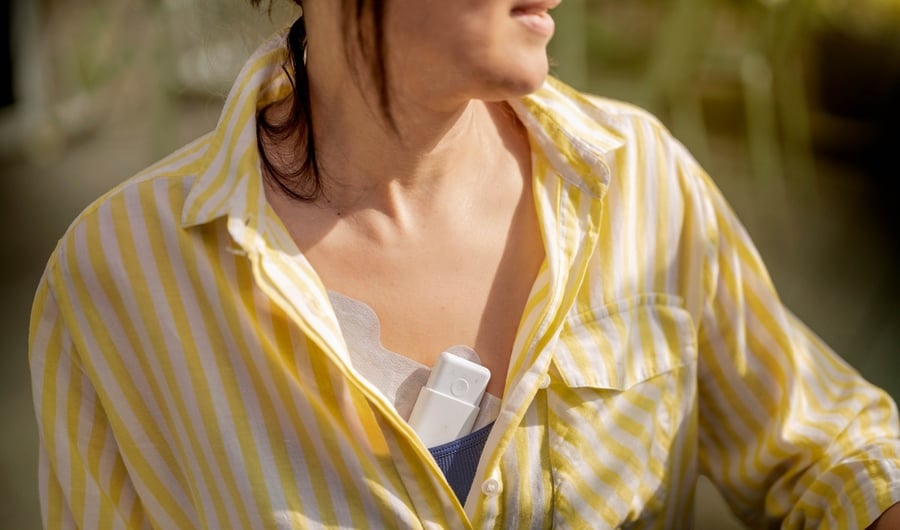
Wearables and vital sign monitoring technologies are reshaping healthcare by shifting passive treatment into proactive, continuous care management. These sophisticated devices use advanced sensors, smart textiles and AI-driven analytics to track critical health parameters in real-time – from heart failure indicators to stress levels – delivering earlier interventions and personalized treatment approaches.
Moving monitoring from clinical settings into daily life, these innovations empower patients with greater autonomy while providing healthcare providers unprecedented insights into patient health between appointments.
Companies in this segment include AIKON Health, Bambi Medical, LifeSense Group, Maaind, Molex and 3EALITY.
Imaging & diagnostics
Imaging and diagnostics technologies form the critical foundation of modern medicine. Clinicians can now see what was once invisible and make informed decisions in minutes (or seconds!) rather than days.
From hyperspectral imaging that reveals cellular processes in real-time to rapid antimicrobial resistance testing that guides antibiotic prescriptions within an hour, these advances are compressing diagnostic timelines while expanding the depth and accuracy of clinical insights.
As these technologies become faster, more portable and increasingly intelligent through AI integration, they’re moving beyond traditional laboratory and hospital settings to deliver precision diagnostics wherever patients need them.
Companies in this segment include Chromodynamics, Mozand, Philips, ShanX Medtech, Teledyne DALSA and Usono.
AI & software
Artificial intelligence and software solutions are fundamentally changing how healthcare data is captured, analyzed and applied to patient care. These digital innovations span the entire care continuum, from voice recognition systems that document patient consultations to machine learning algorithms that predict treatment responses and computer vision tools that transform scans into actionable 3D surgical plans.
By extracting meaningful insights from complex datasets and automating time-intensive analysis, AI-powered platforms are facilitating earlier disease detection, more personalized treatment decisions and streamlined workflows that allow clinicians to focus on what matters most: timely patient care for better health outcomes.
Companies in this segment include AI Innovation Center, Bloomlife, InnoSIGN, Walden Digital, Zenya and portfolio companies of HTCE venture capital fund, LUMO Labs: Aiosyn, Autoscriber, Cordys Analytics, Enatom, Fimo Health, Healthplus.ai, Hema.to, Nuclivision, Protyon, Surgical Reality and Sycai Medical.
 Source: Plasmacure
Implants & therapeutic devices
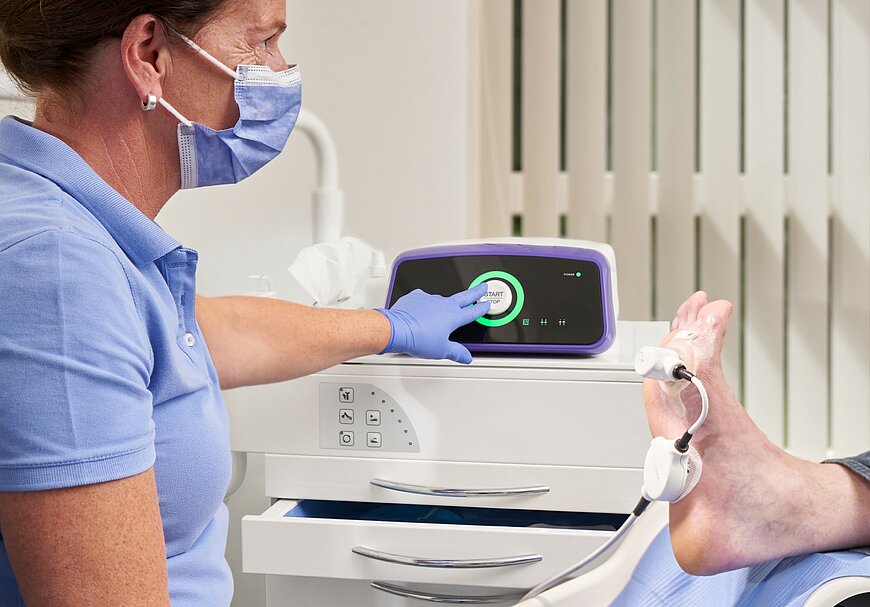
Implants and therapeutic devices represent a paradigm shift from managing symptoms to restoring function and promoting healing within the body. These advanced technologies range from bioelectronic implants that deliver drug-free pain relief through precise nerve stimulation to bioresorbable scaffolds that trigger natural regeneration before harmlessly dissolving.
By combining sophisticated materials science with deep understanding of biological processes – from cold plasma therapy that accelerates wound healing to minimally invasive cardiac interventions – these devices provide patients with less invasive alternatives to traditional treatments while improving clinical outcomes.
Companies in this segment include Gilbert, Jenscare, Plasmacure, Salvia BioElectronics and Siemens Healthineers.
 Source: VIVOLTA
Smart Biomaterials
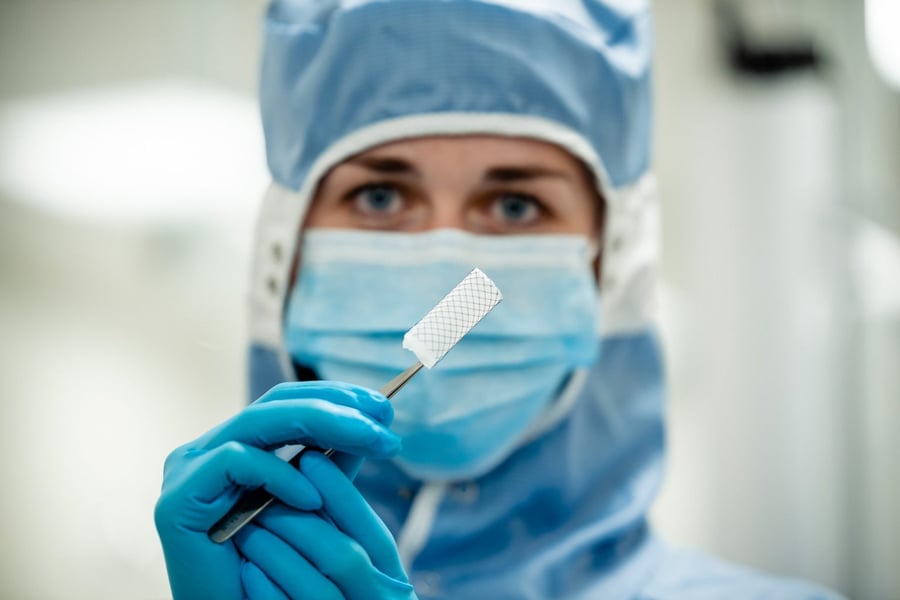
Smart biomaterials represent the convergence of materials science and biology, creating substances that not only replace damaged tissue but also actively guide the body’s own healing processes.
These next-generation materials – from electrospun nanofibers that mimic the body’s natural extracellular matrix to bioresorbable scaffolds that provide temporary support before disappearing – are designed to work in harmony with human physiology rather than as permanent foreign objects.
The establishment of GMP-compliant cleanroom facilities at HTCE addresses a critical infrastructure gap, providing MedTech companies the specialized manufacturing environment they need to transform innovative biomaterials from laboratory concepts into market-ready medical devices.
Companies in this segment include SBMC, STENTiT and VIVOLTA.
Source: Arion
Sports, vitality and Health
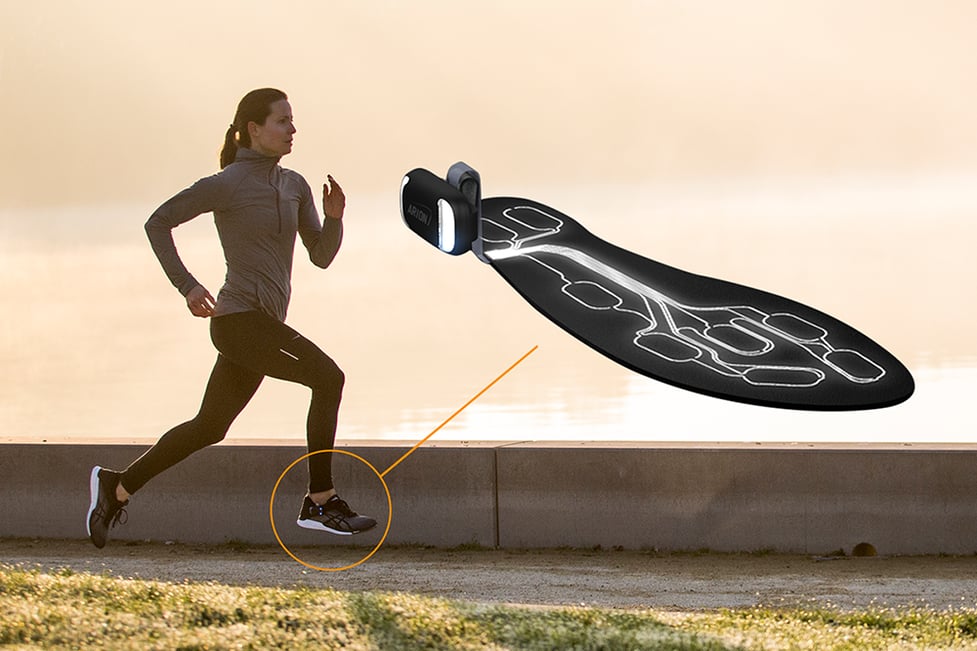
Sports, vitality and health companies are also an essential part of the MedTech ecosystem at HTCE, bridging the gap between clinical care and everyday wellness with preventive health solutions and performance optimization.
Rather than solely treating illnesses, these companies focus on keeping people healthy and active every day. These residents complement HTCE’s diagnostic and therapeutic innovations which contribute to a holistic approach spanning the health spectrum from prevention to recovery.
Companies in this segment include Arion, Arjo, Maurten, Ocuma, Shimano Europe, Sparckel, VitalWear and Workplace Vitality Hub.
RTOs
Breakthrough medical and biomedical technologies begin at research institutes, and HTCE is home to some of the world’s leading innovation centers in health technology development.
These institutes serve as the critical foundation of the Campus’s MedTech ecosystem, applying fundamental scientific discoveries to practical applications through expertise in flexible electronics, wearable sensors, advanced diagnostics and integrated photonics.
Academia, industry and startups collaborate to spin out new companies. These research powerhouses accelerate the development of commercially viable medical solutions that improve patient care.
Companies in this segment include, Holst Centre, imec and TNO.
SUPPORTING SERVICE & FACILITY PROVIDERS
Business Support
Just as a natural ecosystem requires more than foundation species to flourish, the MedTech innovation community at HTCE depends on a robust network of specialized business support services to help companies navigate the complex journey from concept to commercialization.
These essential partners provide the legal expertise, regulatory guidance, intellectual property protection and strategic counsel MedTech startups and scale-ups need to scale breakthrough technologies into market-ready products and maintain compliance in one of the world’s most heavily regulated industries.
Companies in this segment include Corporate Vitality, Hippocampus, Holland Innovative, ITEA4, Kembit, LIOC Patents and Trademarks, Magnus & Weiss, MD Squared, Netherlands Enterprise Agency (RVO) and V.O. Patents and Trademarks.
Facilities
Specialized facilities and innovation hubs form the physical infrastructure that recasts HTCE from a collection of individual companies into a cohesive, vibrant ecosystem.
These purpose-built spaces, from GMP-compliant cleanrooms for biomaterial production to AI innovation centers and BioTech laboratories, provide MedTech startups, scale-ups and others in the ecosystem, with access to expensive, specialized equipment and environments they couldn’t afford independently.
By co-locating companies with complementary expertise and shared resources under one roof, these facilities accelerate development timelines, garner serendipitous collaboration and lower the barriers to entry for innovators bringing breakthrough healthcare solutions to market.
Companies in this segment include CUREON, High Tech Campus Eindhoven, SBMC and Twice.
Source: XIVER
Technical Services
Here, we break down the technical services category into three sub-categories: Product Development, Testing and Components.
Technical Services: Product Development
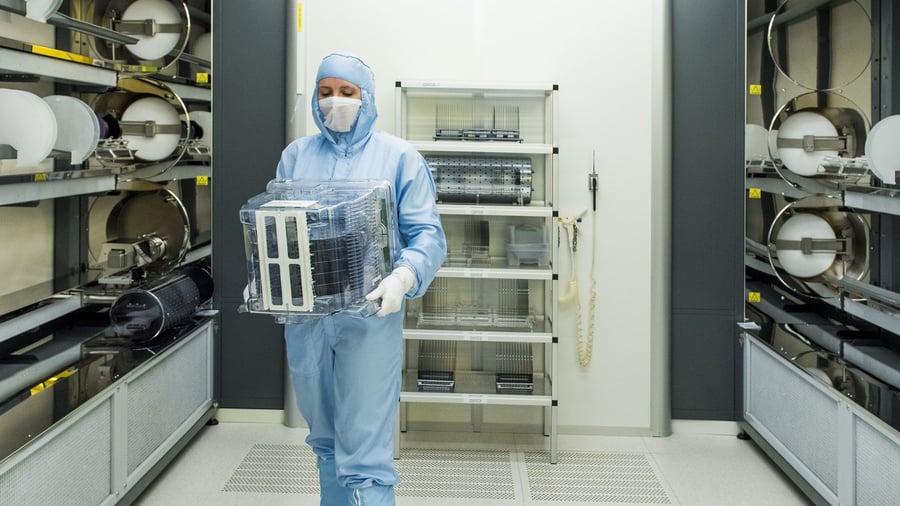
Technical services providers at HTCE play a crucial role in advancing MedTech product development, turning complex ideas into certified, market-ready devices with speed and precision.
Partners help innovators accelerate time-to-market while navigating demanding regulatory requirements, and this collective expertise in engineering, prototyping, manufacturing and scaling is critical to the value chain.
This integrated approach makes Campus a launchpad for breakthrough medical technologies and next-generation healthcare solutions, driving efficiency and real-world impact across the ecosystem.
Companies in this segment include 3T, Compen Embedded, Enginio, L&T Technology Services, Vention and XIVER.
Technical Services: Testing
Testing and validation services at HTCE ensure MedTech innovations meet the highest standards for safety, quality and compliance. Advanced laboratories offer specialized expertise in materials analysis, reliability testing, electromagnetic compatibility and wireless connectivity for medical devices.
These technical partners provide rapid diagnostics, regulatory support and long-term research solutions essential for high-tech medical manufacturing and healthcare delivery.
Companies in this segment include Eurofins Material Analysis Lab, Eurofins Reliability Lab and Signify.
Technical Services: Components
Behind every successful medical device lies a foundation of precision-engineered components, sensors, optics, motors and specialized chips that convert innovative concepts into functioning clinical tools.
Enabling technologies, such as miniaturized spectral sensors that analyze biological materials in real-time and ultra-precise drive systems that power surgical instruments, represent the critical building blocks MedTech innovators integrate into their solutions. These enabling technologies often determine the difference between just a “promising” prototype and a device that meets the exacting standards of medical applications.
Companies in this segment include AMS, FAULHABER Drive Systems and MantiSpectra.
Venturing and investors
Venture builders, accelerator programs and deep-tech investors at HTCE play a pivotal role in turning breakthrough technologies into viable companies.
From talent-driven venture creation to specialized funding and R&D programs, HTCE’s venture builders and investment partners connect innovation to capital and expertise. Their combined impact strengthens the Campus’ position as a European hub for deep-tech entrepreneurship, especially in MedTech, health and sustainable technology domains.
Companies in this segment include DeepTechXL, HighTechXL, imec.istart, Innovation Industries, LUMO Labs and NXTGEN Hightech.
Ecosystem partners
The strength of the HTCE MedTech ecosystem extends beyond its physical boundaries, drawing vital support from regional partners who provide essential research capabilities, talent development and innovation infrastructure.
From leading universities generating breakthrough technologies and skilled graduates to collaborative programs addressing healthcare’s biggest challenges, these organizations, are the interconnected network of knowledge, resources and expertise that allows MedTech innovation to flourish at HTCE and throughout the Brainport region.
Organizations in this segment include Brabant Development Agency (BOM), Brainport Development, Eindhoven University of Technology (TU/e), Eindhoven Engine, LifetecZONe and Provincie Noord-Brabant.
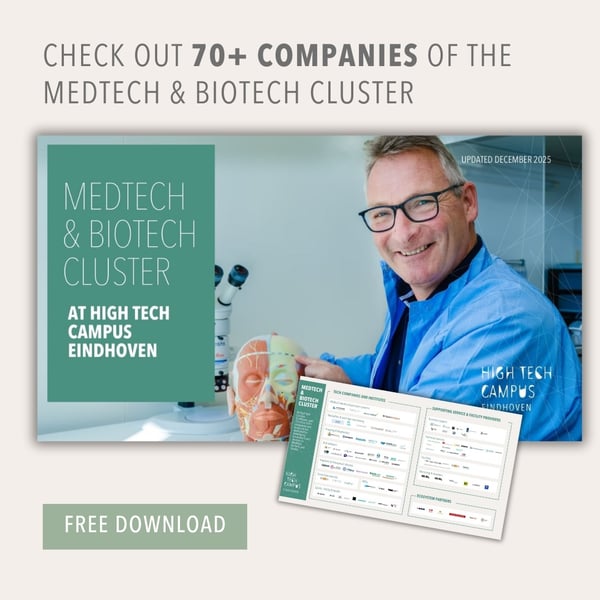
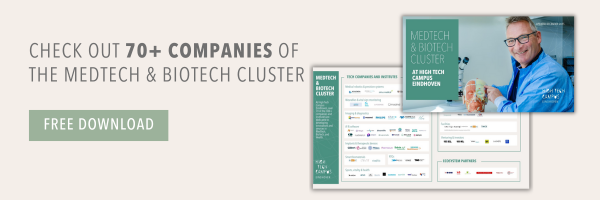
Download the visual showing all organizations part of HTCE’s MedTech and BioTech cluster
This article is an introduction to a series of content about the impressive MedTech and BioTech ecosystem at HTCE. We’ll have additional articles to dive deeper into the tech cluster and the companies at Campus who are playing a crucial role in the future of healthcare. Download the visual HERE.
Join the CUREON community! Learn more at the CUREON website and download the work and lab space flyer.